-
Niezbędny:
Niezbędne pliki cookie są niezbędne do przeglądania witryny i korzystania z jej funkcji. Pliki cookie, które pozwalają sklepom internetowym przechowywać Twoje produkty w koszyku podczas zakupów online i poruszania się po witrynie, są przykładem ściśle niezbędnych plików cookie. Nasza strona internetowa nie działa bez tych plików cookie, dlatego są one przechowywane bez Twojej wyraźnej zgody.
-
Preferencje plików cookie:
Pliki cookie preferencji mogą służyć do zmiany komfortu korzystania z naszej witryny internetowej. Pliki cookie preferencji pozwalają witrynie internetowej zapamiętać wybory dokonane przez Ciebie w przeszłości.
-
Statystyczne pliki cookies:
Statystyczne pliki cookies służą do zbierania informacji o tym, w jaki sposób korzystasz z naszego serwisu. Żadna z tych informacji nie może zostać wykorzystana do identyfikacji użytkownika.
-
Marketingowe pliki cookie:
Marketingowe pliki cookie śledzą Twoją aktywność online. Celem marketingowych plików cookie jest pomoc reklamodawcom w dostarczaniu trafniejszych reklam lub ograniczenie liczby wyświetleń reklam.


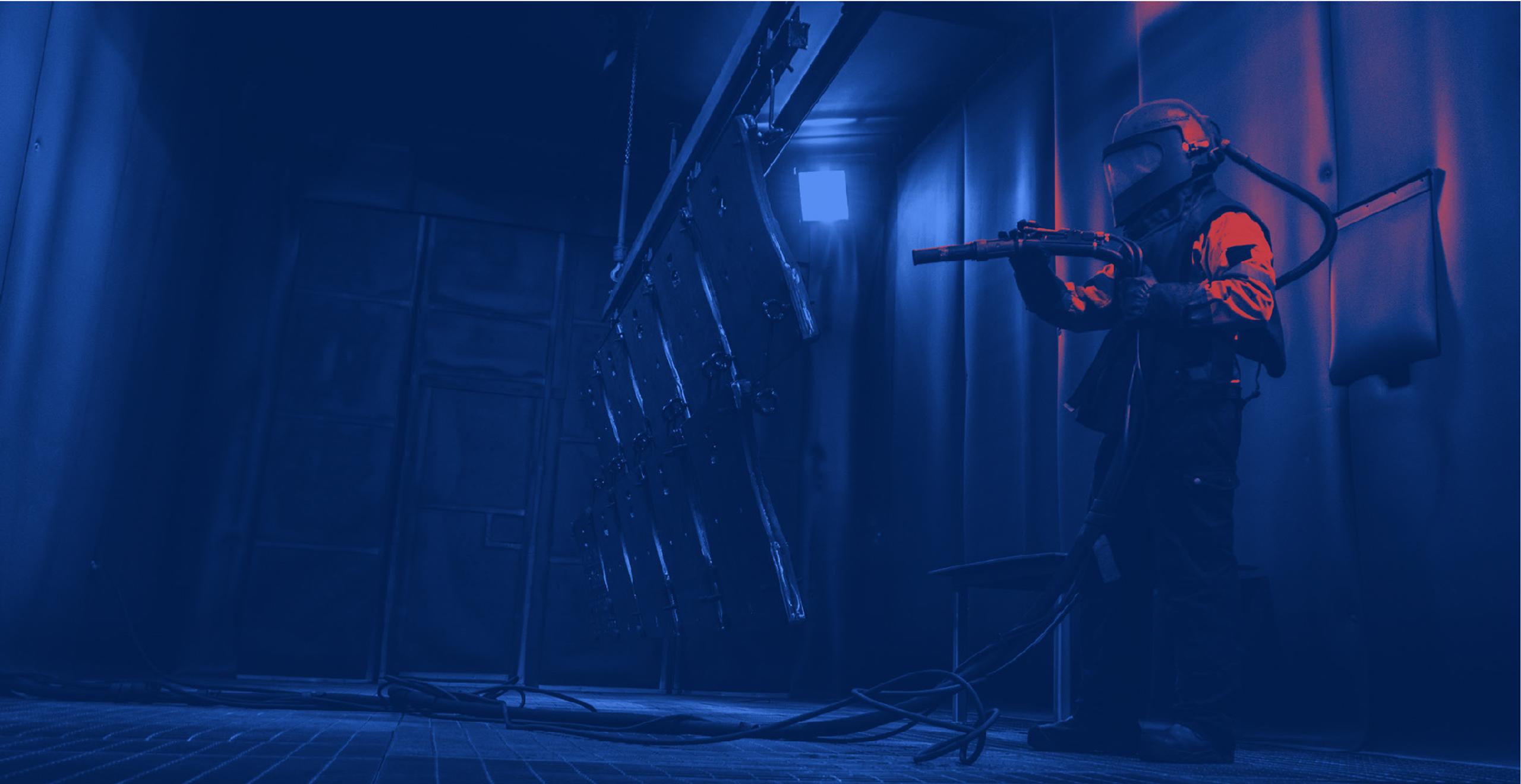
Technical requirements for Pekotek blast rooms
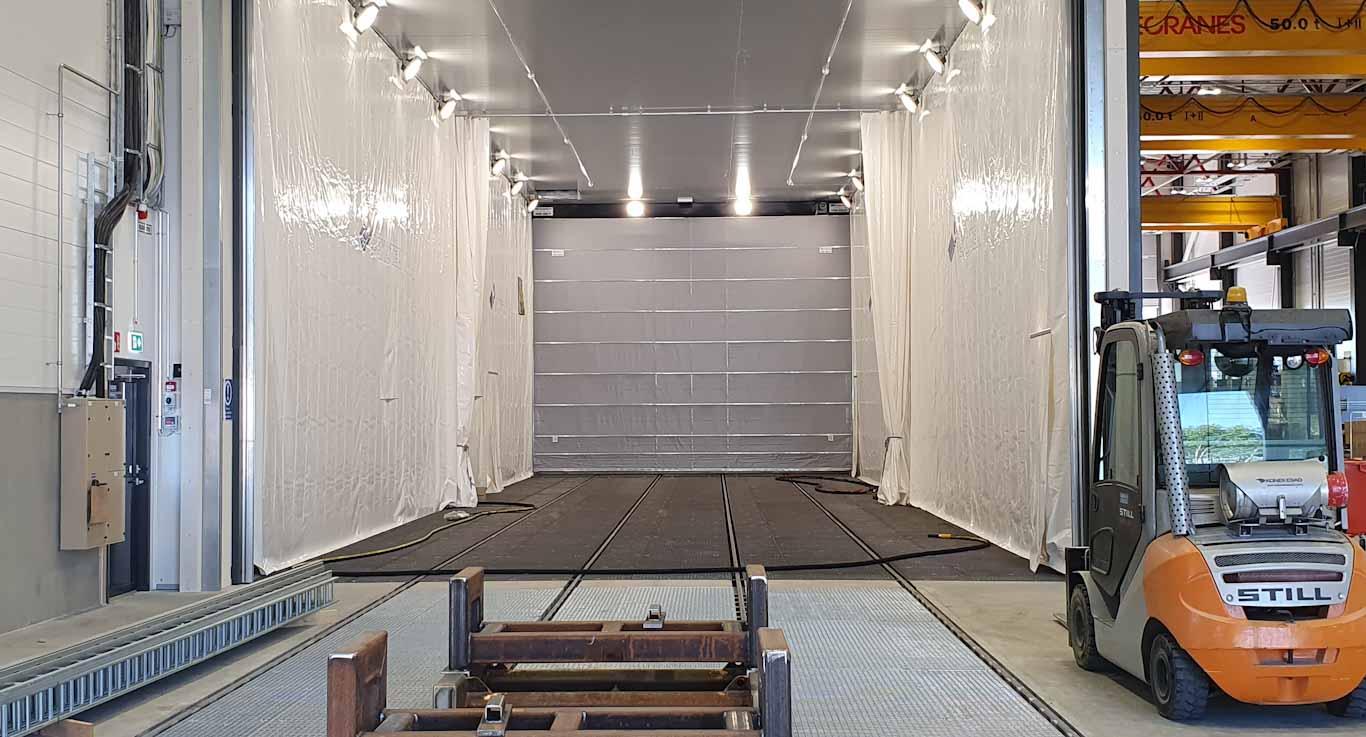
Technical requirements for Pekotek blast rooms
In this article, we have compiled some frequently asked questions from an installation and design perspective.
The maintenance costs for Pekotek’s Non-Waste recovery system are exceptionally low. The air-assisted system contains significantly fewer wear parts compared to traditional scraper floors. This makes service, maintenance, and spare part costs particularly cost-efficient.
What is the maximum floor load capacity?
The floor structure is designed for an appropriate load of 3–5 tons per wheel, with up to 10 tons per wheel being common. Higher loads can be accommodated using rails or fixed tracks between the grates. For our blasting system, we provide a floor structure with a maximum load capacity of 175 tons.
What is the typical size of the blast chamber?
Variable dimensions are possible, and the number and size of the containers can be customized. Split grated floors can also be implemented. The smallest chamber built to date was equivalent to a 6-meter shipping container, while the largest chamber constructed measured 75 m × 25 m.
How much compressed air does a non-waste blasting system require?
The non-waste blasting system requires compressed air only for the abrasive tank and minimally for filter cleaning impulses. The compressed air demand depends on the size of the nozzle used. The transport and recovery of the abrasive are handled by a dedicated fan and airflow system.
Is it possible to separate manufacturing and installation?
Yes, that is possible. The project can be flexibly tailored to the customer's needs. One option is for the customer to handle the chamber construction, floor structures, and mechanical adjustments themselves.
Skontaktuj się z nami po więcej informacji
Możesz zadzwonić lub napisać do mnie bezpośrednio. Możesz także kontaktować się poprzez poniższy link.


Skontaktuj się z nami po więcej szczegółów




© 2025 Pekotek. Witryna autorstwa atFlow Oy